Sailing stories & travel insights

Get inspired with expert tips, destination highlights, and firsthand experiences from the world of Croatia small ship cruising.

img

Private Small Ship Charter in Croatia: Cost, Routes & What to Expect

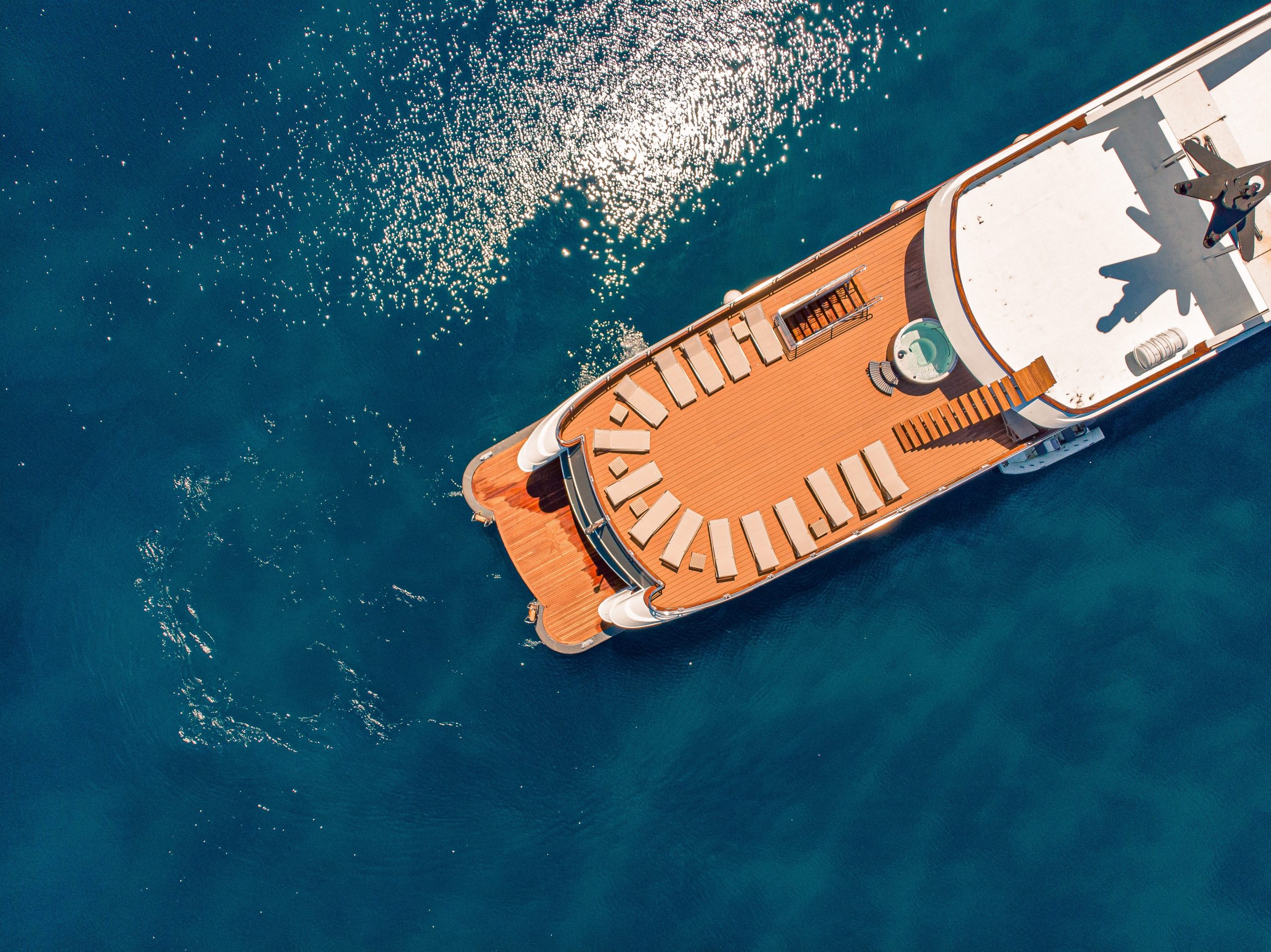
A private small ship charter in Croatia starts from €50,000 for seven nights with Zantium Travel in 2027. That entry price applies to selected early-May and October departures aboard M/S Azzurro, with other ships and dates priced according to vessel and season. Instead of booking individual cabins on a scheduled cruise, your group charters the entire ship. There are no other passengers aboard. For a larger family, group of friends, celebration, retreat or special-interest group, that changes the experience considerably. You still have a professional captain and crew, private en-suite cabins and the facilities of a Croatian small cruise ship, but the week is organised around one group. Your first and last ports are fixed, while the route between them can be shaped around what your group wants from the week, subject to weather, navigation, berthing availability and the captain’s operational decisions. Here is how private ship chartering in Croatia works, what it costs and what to decide before choosing your vessel. What Is a Private Small Ship Charter? A private ship charter means your group books the entire vessel for the week. This is different from a normal Zantium small-ship cruise, where you book one or more cabins and share the ship with other passengers. On a private charter, only your guests are aboard. Zantium’s charter fleet carries a maximum of 36 passengers, making a whole-ship charter particularly useful for groups that are too large for a conventional yacht but still want to travel privately. You have the ship’s cabins and communal areas to yourselves, together with the captain and professional crew. The simplest way to think about it is having your own small Croatian cruise ship for the week. Private Charter vs Scheduled Cruise  Scheduled small-ship cruisePrivate ship charterHow you bookIndividual cabinsEntire shipWho is aboardOther guests, up to 36 in totalOnly your groupPricingPer personPer shipRoutePublished itineraryShaped around your groupDatesPublished departuresBy arrangementMealsSet cruise programmeProgramme planned with your groupBest suited toCouples, individuals and smaller groupsFamilies, friends and private groups If you are deciding between taking several cabins and chartering the entire vessel, our guide to family cruises in Croatia also compares cabin bookings, blocks of cabins and whole-ship charters for larger groups. EXPLORE PRIVATE CHARTER SHIPS How Much Does a Private Ship Charter in Croatia Cost? A Zantium private ship charter starts from €50,000 for seven nights in 2027. The entry price applies to M/S Azzurro departures on May 1, May 8, May 15, October 9, October 16 and October 23. Other ships and dates are priced according to vessel and season. Unlike scheduled cruises, which are priced per passenger and cabin type, a private charter is priced for the whole ship. That makes group size an important part of the calculation. Guests€50,000 charter divided per person*20€2,50024€2,08330€1,66736€1,389 *Simple division of a €50,000 starting charter price. This is not a per-person fare and does not include mandatory or optional costs outside the base charter package. This is why whole-ship chartering becomes particularly interesting as the group grows. A family of six is unlikely to charter because it is the cheapest way to travel. A group approaching 30 or 36 people has a very different calculation. If you want to compare that with booking individual cabins, see our complete guide to Croatia cruise costs for 2027. The Most Expensive Ship Isn’t Necessarily the Right Ship Our ships do not all offer exactly the same product. Cabin configurations, deck positions, balcony availability and communal spaces vary between vessels. A group that puts private balconies high on its list may arrive at a different choice from a group primarily concerned with keeping 30-plus guests together at the most sensible overall charter price. We therefore recommend starting with the group rather than the ship. Tell us how many people are travelling, how the cabins need to be divided, your dates and what matters most aboard. We can then narrow the fleet to the ships that actually fit. What Does a Zantium Private Charter Include? A seven-night private charter includes exclusive use of your chosen ship together with its professional crew and the core services required for the week. •  Seven nights aboard your chosen vessel •  Professional crew •  Fully equipped cabins with air conditioning, LCD TV, safe deposit box, hair dryer, cupboard and wardrobe •  Fuel for a maximum of 4–5 hours of sailing per day, including the necessary time for mooring and unmooring •  Daily buffet breakfast •  Three-course lunch daily •  Welcome dinner on Day 1 •  Daily cabin servicing •  Fresh bed linen and towels midweek •  Free Wi-Fi on board A Cruise Manager is mandatory and charged separately from the base charter price. Airport transfers are not included but can be arranged on request. Excursions are also separate from the charter price. Groups can choose from Zantium’s ready-made excursion packages or work with us to build a bespoke set of experiences around the itinerary. How Flexible Is a Private Croatia Cruise Route? On a scheduled cruise, the itinerary is already established. On a private charter, the first and last ports are fixed, but the week between them can be shaped around your group. That does not mean a ship operates like a taxi. The captain has final responsibility for navigation and safety, while weather, sea conditions, port availability and other operational requirements affect what is possible on any particular day. Within those constraints, however, there is considerable room to build the week around what your group actually wants to do. You might prioritise longer swimming stops, particular islands, quieter bays, historic towns, wineries and food experiences, more time ashore, or activities suitable for children. How We Actually Build a Zantium Charter Route When we plan a private charter, we do not normally start by asking the group to give us seven ports for seven days. We start by asking what you want the week to feel like. A family might want plenty of swimming, shorter periods underway and enough time ashore for three generations to enjoy the same day. A group of friends might care about Hvar and Vis, good restaurants and several evenings ashore. A food and wine group might be happy to change the route to make a particular winery, producer or dining experience part of the week. We then work backwards from those priorities with the captain to build a route that makes sense at sea. A route that looks perfectly sensible on a map does not always make the best cruise. Distances between ports, berth availability, weather and sea conditions all affect the week. Sometimes an extra hour at anchor and a longer swim stop is worth considerably more than adding another port simply to say you visited it. That is also why we do not promise a minute-by-minute itinerary months before departure. We establish the shape of the week and then operate it according to the conditions we actually find along the Croatian coast. If you are still deciding which parts of Croatia interest your group, our island-hopping guide goes into the islands and different ways of travelling between them in more detail. What Is Life Like Aboard a Private Small Ship? These are not bareboat charters where someone in your group needs to know how to sail. The captain and crew operate the vessel, prepare meals, maintain the cabins and handle day-to-day life aboard. Your guests have their own private cabins while sharing the ship’s communal spaces with the rest of your group. Depending on the vessel, these can include a restaurant and bar, outdoor lounge areas, sundeck, swimming platform and other facilities. The ship will often sail while breakfast is being served. There may be a swimming stop before or after lunch, followed by arrival at the day’s destination and time ashore. On a private charter, that rhythm can be adjusted around your group far more than it can on a scheduled departure. What Does the Cruise Manager Do? In addition to the ship’s crew, every Zantium private charter requires a Cruise Manager, who is charged separately from the base charter price. The captain is responsible for the vessel, navigation and safety. The crew operate the ship and provide onboard service. The Cruise Manager is the group’s principal point of contact for the guest experience: communicating the daily programme, coordinating arrangements and excursions ashore, answering practical questions and helping the week run smoothly. For a private charter with potentially 20–36 guests – particularly a themed programme involving excursions or activities – that coordination becomes an important part of operating the week. Who Is a Private Ship Charter Best For? Multi-Generational Families A whole-ship charter works particularly well for grandparents, adult children and grandchildren travelling together. Everyone has their own cabin, nobody needs to coordinate several hotels, and the week can be adjusted around different ages and mobility requirements. Large families can also discuss menus, excursions and the pace of the itinerary before travelling. For more detail on travelling with several generations, see our Family Cruise Croatia guide. Groups of Friends and Celebrations A private charter keeps everyone aboard one vessel rather than dividing a group between several yachts, villas or hotels. That makes it particularly suitable for milestone birthdays, anniversaries, reunions and other occasions where having everyone together is part of the experience. Yoga and Wellness Groups Zantium operates private yoga charters along the Croatian coast, where the ship becomes the group’s accommodation and travelling base for the week. A private charter allows the itinerary and daily rhythm to be planned around the retreat rather than fitting yoga sessions around a standard cruise programme. Sailing periods, swimming stops, time ashore and organised sessions can all be considered when planning the itinerary. Food and Wine Groups Zantium also operates food and wine charters, where gastronomy becomes part of the itinerary rather than simply an occasional excursion. Depending on the group’s interests, the week can incorporate wineries, oyster farms, local producers, traditional restaurants and other culinary experiences ashore, alongside meals aboard. Because excursions are separate from the base charter price, these experiences can be assembled from our existing packages or built specifically for the group. Cycling and Other Special-Interest Groups Zantium operates cycling charters and other special-interest cruises. For a cycling group, the ship provides accommodation and transport along the coast while the activity programme takes place ashore. The route and excursion programme therefore need to be considered together rather than treating cycling as an add-on to an ordinary cruise itinerary. The same principle applies to other organised groups: tell us what the group is travelling to Croatia to do, and we build the feasible cruising and excursion programme around that objective. Corporate and Incentive Groups Private accommodation, substantial shared spaces and a changing destination each day can also make small ships suitable for corporate retreats and incentive groups. A whole-ship charter keeps the group together while allowing the programme to combine time aboard, organised activities, destinations and free time ashore. Private Small Ship or Private Yacht? They are different products. A private sailing yacht or catamaran generally accommodates a much smaller group. A small cruise ship becomes particularly interesting once the guest list grows beyond what comfortably fits aboard one conventional yacht. Instead of chartering several boats and trying to keep the group together, everyone travels aboard one vessel with a professional crew, private cabins, dining facilities and substantial communal spaces. If you are bringing 25, 30 or 36 people to Croatia, that distinction becomes considerably more important than whether someone describes the vessel as a yacht or a cruise ship. How to Plan a Private Ship Charter in Croatia 1. Confirm Your Approximate Guest Count Work out how many adults and children are likely to travel. You do not necessarily need every name yet, but 18 guests and 34 guests require very different planning. 2. Choose Your Dates If your dates are not flexible, establish them before becoming attached to a particular vessel. Each ship can only accommodate one private charter at a time. 3. Count the Cabins Thirty guests do not necessarily mean fifteen cabins. Singles, couples, children and family combinations can change the number considerably. Tell us who needs to sleep where rather than simply giving us the total headcount. 4. Tell Us What Matters About the Week You do not need to design the route yourself. Tell us what matters: swimming, food and wine, nightlife, history, children, particular islands, a celebration, yoga sessions, cycling or simply having plenty of unstructured time together. 5. Choose the Ship Once we know your dates, group and cabin requirements, we can narrow down which vessels actually fit. Compare the current fleet and starting prices on our private charter page. 6. Build the Week From there, the itinerary, menus, excursions, transfers and additional arrangements can take shape. That order avoids trying to force the wrong group onto the right-looking ship. Private Ship Charter Croatia FAQs How much does it cost to charter a private cruise ship in Croatia? A private small ship charter with Zantium Travel starts from €50,000 for seven nights in 2027. The entry price applies to selected M/S Azzurro departures in early May and October. The final price depends on the ship, dates and additional arrangements requested by your group. How many people can stay on a Zantium private small ship? Zantium’s charter vessels carry a maximum of 36 passengers. Exact cabin configurations vary by ship, so establish your guest list and sleeping arrangements before choosing a vessel. Can we choose where the ship goes? Yes, within operational limits. The first and last ports are fixed, while the itinerary between them can be shaped around your group. The captain retains final responsibility for navigation and safety, and routes remain subject to weather, sea conditions and port availability. Is a Cruise Manager included in the charter price? A Cruise Manager is mandatory on Zantium private charters but is charged separately from the base charter price. Are airport transfers included? No. Airport transfers are not included in the base charter price, but Zantium can arrange them on request. Are excursions included? No. Excursions are separate from the charter price. You can choose from ready-made excursion packages or work with Zantium to build a bespoke programme for your group. Can children join a private charter? Yes. Private charters can be particularly useful for larger families because the itinerary, meals and activities can be planned with the group’s ages and requirements in mind. Do we need sailing experience? No. Zantium private charters are fully crewed. A professional captain and crew operate the vessel throughout the cruise. Can we organise a themed private cruise? Yes. Zantium operates yoga, food and wine, cycling and other special-interest charters. The route and excursion programme can be planned around the purpose of the group, within operational constraints. How far in advance should we charter a ship in Croatia? If you need a particular week or vessel, enquire as early as possible. Each ship can only be chartered by one group during a given week, so availability is more limited than booking individual cabins. Start With Your Group You do not need to come to us with a finished itinerary. Tell us when you want to travel, approximately how many people are coming, how many cabins you need and what you want the week to feel like. From there, our Croatia-based team can show you which ships are suitable and start putting the week together. SPEAK WITH OUR CHARTER TEAM ›
13 min
Read more
img

What is a Yoga Cruise?

If you’re looking for a unique and relaxing vacation, consider a yoga cruise! These cruises offer yoga classes and workshops taught by experienced instructors, as well as plenty of time to relax and enjoy the views. Whether you’re a beginner or an experienced yogi, there’s a Croatian cruise for you. If you’re not sure whether a yoga cruises is for you, here’s what you need to know about them… 1) What is a yoga cruise? A yoga cruise is a cruise where yoga classes and workshops are offered. These cruises usually last for a week or more and take place on a luxury liner. Throughout your trip, there will be frequent workshops, morning yoga sessions, and plenty of opportunities to get your stretch on! At the same time, a yoga cruise is like a traditional cruise: you sail somewhere sunny, stopping off at vibrant coastal destinations, enjoying local cuisine and entertainment too. Put simply, the point of yoga on cruise ships is to help you relax, stay healthy, and enjoy a wonderful holiday all at once. 2) Who should go on a yoga cruise? Anyone who is interested in learning more about yoga should go on a yoga cruise! Whether you’ve not been going to yoga class as much as you like, or you’ve never even been to one, a yoga cruise is a great way to get in touch with this excellent way to stay limber and fit. These cruises are also great for experienced yogis who are looking for a relaxing vacation. On a luxury cruise, you can have workshops suitable both for beginners and more advanced practitioners—something for everyone. 3) What will I learn on a yoga cruise? On a typical yoga cruise, you can expect to learn the basics of yoga. In addition, you can also expect to learn about meditation and other relaxation techniques… All while enjoying an invigorating holiday in the Adriatic! 4) Why go on a yoga cruise? There are many reasons to go on a yoga cruise. First and foremost, these cruises offer a unique opportunity to learn more about yoga from experienced instructors. In addition, yoga cruises offer a relaxing and refreshing vacation that is perfect for anyone looking to escape the hustle and bustle of everyday life. For a typical yoga cruise Greece, the Adriatic, or the Caribbean are your destinations: in other words, some of the most beautiful parts of the world. Even on a Disney cruise yoga is an option, so no matter what kind of holiday you want, you can learn yoga when you go. These cruises often sail through beautiful and serene locations, such as the Adriatic Sea. This makes for a perfect backdrop to relax and practice yoga. 5) What should I bring on a yoga cruise? When packing for a yoga cruise, consider packing light. You will likely need very little, as most cruises provide all the necessary equipment. However, it is always a good idea to pack sunscreen, swimwear and comfortable clothes that you can move in easily. You could even bring a journal and pen so that you can document your journey and reflect on your experiences. 6) How much does a yoga cruise cost? Prices for yoga cruises vary depending on the length of the cruise, the location and the type of ship. Our Adriatic Discovery cruises start at 1490 Euros, and explore the secluded coves of the countless Adriatic Islands. 7) What is the best time of year to go on a yoga cruise? The best time of year to go on a yoga cruise depends on what kind of weather you enjoy. For a lighter, breezier time, consider going in the spring; if you’d like to enjoy some sunbathing, then there’s nothing that beats a Mediterranean summer. However, many people find that the autumn months offer the perfect mix of mild weather and pleasant temperatures. Whichever time of year you choose, you can be sure that the yoga cruise experience will be unforgettable. 8) What if I get seasick? If you are susceptible to sea-sickness, be sure to inform your cruise operator before booking. Many cruise operators are happy to work with guests who have this condition and will often have alternative arrangements in place. There are also lots of measures you can take, like picking a lower-deck or central cabin, or if it’s very serious using prescription medication. 9) What should I do if I have a special request? If you have any special requests, such as dietary restrictions or accessibility needs, be sure to let your cruise operator know before you book. Luxury cruise operators like Zantium are more than happy to accommodate guests with special requests, but it is always best to make arrangements in advance. Book with Zantium Travel today! So, what do you think? Are you ready to try a yoga cruise for yourself? If so, check out our selection of cruises and find the perfect one for you! Zantium’s yoga cruises are the perfect way to learn about yoga, relax and escape the everyday. Check out our site to learn more.
5 min
Read more
img

How to Choose a Croatia Cruise: What Actually Matters Before You Book

“Which route should I pick?” “Does it matter which month I go?” “Why is the same cruise €500 cheaper on one date than another?” Search for Croatia cruises for five minutes and the options start to blur together. The same island names come up again and again, every ship seems to have a sunny deck, and almost every itinerary promises time for a swim. It’s tempting to just pick the cheapest fare or whichever ship looks best in the photos. But that’s rarely what decides whether the week feels right once you’re on board. Knowing how to choose a Croatia cruise comes down to a handful of questions: which part of the coast, which month, how the days are paced and what the fare actually includes. The useful differences are usually hidden in the day-by-day itinerary, not on the brochure cover. Here’s what we’d look at first. First, Decide Which Part of the Coast You Want to See Croatia’s coast is long enough to hold several very different cruises. In the north, Istria and the Kvarner Gulf have islands like Cres and Krk. Further south, Dalmatia is home to most of the classic island-hopping routes, around Split, Hvar, Vis, Korčula, Mljet and Dubrovnik. Those are different trips, not just different versions of the same route. So start with the map, not the ship. If Dubrovnik and the Dalmatian islands are already on your list, look at routes that stay in that part of the coast. If you’re set on Istria or Kvarner, you’ll need a northern itinerary instead. All our own Croatia cruises sail in Dalmatia. Our 2027 Adriatic Discovery route is a good example of how a Dalmatian cruise works. It runs for eight days between Šibenik/Split and Dubrovnik, with overnights in Šibenik, Vis, Hvar, Korčula, Pomena on Mljet, Slano and Dubrovnik. The distances are short enough to combine island stops with time in historic towns, instead of spending long days just getting from one end of the coast to the other. Adriatic Discovery: one week from Šibenik to Dubrovnik through the Dalmatian islands The Port List Is Only the Beginning Two cruises can show almost the same names on the map and still feel completely different. What time does the ship arrive? Do you stay overnight in port? Is there a guided walk, or is the afternoon free? Do you leave town just after breakfast? These details tell you far more about a trip than the number of destinations in the headline. On a small ship, sailing is part of the day, not something that happens while you sleep. On Adriatic Discovery, a typical day starts with an early sail, then a swim stop and lunch on board on the way, and an afternoon in the next town, where the ship stays overnight. That rhythm suits people who enjoy being on the water as much as sightseeing. If you’d rather have full days ashore, look closely at arrival and departure times instead of assuming every stop means a whole day in town. Coastal travel also comes with some built-in uncertainty. Weather and sea conditions affect swim stops and boat trips, and harbour space can change where the ship moors. The Blue Cave on Biševo, for example, is reached by small boat through an entrance approximately 5 feet high, so bad weather and high waves can close it. And because Hvar harbour has limited room, we sometimes moor in Stari Grad instead and arrange a transfer to Hvar town. On a trip that depends on the sea, that kind of flexibility is normal. One-Way or Round Trip? Check Where the Ship Actually Is A one-way cruise fits neatly into a longer trip around Croatia. Start near Split and finish in Dubrovnik, or the other way round, and you can add a few hotel nights at either end without going back to the same city. It also feels more like a journey, with the coast unfolding in one direction. If you’re adding time on land, our Split guide and our comparison of Split and Dubrovnik will help you decide where to spend it. A round trip has a different advantage: you arrive and leave from the same city, which can make flights simpler. Neither is automatically better. What matters is checking the exact embarkation and disembarkation points before you book flights, because a route named after a big city doesn’t always start there. That’s exactly the case on our southbound Adriatic Discovery. You meet the cruise manager at noon at the bus parking in front of Berth 18 in Split port, and a bus takes you to Šibenik, where the ship is waiting. If you fly into Split, the transfer takes you straight from the airport to Šibenik. At the other end, the ship docks at Gruž harbour in Dubrovnik, with a transfer to Dubrovnik airport on the last morning. The same route also runs northbound, from Dubrovnik to Split. The Month Changes More Than the Weather No country in the EU packs more of its tourism into the summer than Croatia. According to Eurostat, 54.5% of all tourist accommodation nights in Croatia in 2025 were spent in July and August, the highest share in the EU. That doesn’t make July or August a bad choice. They’re the months for the full summer atmosphere and the warmest sea, as long as you’re happy to travel at the busiest time. June and September are still well within the main coastal season without the biggest crowds. And May and October suit people who’d rather walk around towns than spend every hour in the water. Here’s how the months compare: MonthWhat to expectBest forMaySea around 64°F, lots of sunshine (about 270 hours in Split), quieter townsSightseeing on foot, if a cool swim doesn’t put you offJuneEarly summer, before the July and August peakA summer feel without the biggest crowdsJuly and AugustWarmest sea (about 77°F in August in August), many days reaching 86°F, the busiest towns and harborsSwimming and the full summer atmosphereSeptemberStill in the main season, after the summer peakWarm days with fewer peopleOctoberSea around 70°F, warmer than in May, but more rain and more changeable weatherQuieter harbours and lower faresCroatia cruise months compared. Sea and sunshine figures are long-term averages for Split, from our Adriatic weather guide. The price changes with the season too. Our 2027 Adriatic Discovery departures run every Saturday from 1 May to 16 October, from €1,890 per person on the first and last sailings up to €2,390 on other dates. For the full numbers behind each month, see our guide to Adriatic weather. There’s no single best month, only the month that matches what you want from the trip. Small Ship or Big Ship? Two Very Different Holidays “Croatia cruise” covers very different holidays. On a large ship, Croatia is often one or two stops on a wider Mediterranean itinerary. A small coastal ship spends the whole week here, with short sailing legs, swim stops and evenings ashore. That difference matters before you start comparing facilities. A small ship usually has one restaurant rather than a choice of venues, and far less onboard entertainment. In return, the ship becomes part of the route rather than the destination itself. To put it in perspective, our Azzurro has 18 cabins and 36 berths, and none of our Croatian ships takes more than 40 guests. That’s a completely different social setting from a ship carrying thousands of passengers. It feels more personal, but don’t expect the venues, kids’ facilities or shows of a resort-style liner. Our article on why travel by cruise ship explains the difference in more detail. Cabin Choice: Look Past the Deck Name Lower deck, main deck, upper deck, balcony: the labels help, but they’re not enough on their own. Look at the actual deck plan. Check where the stairs are, how the beds are arranged, what kind of window the cabin has and how close it is to shared areas. Two cabins in the same price category can feel quite different after a week. Our guide to cabin types explains what each deck is really like. Main deck cabin on M/S Alpha Mobility is another reason to look beyond the photos. Small ships have several decks connected by stairs, and layouts vary from ship to ship. If stairs are hard for you, ask us about the route from your cabin to the dining area and the outside decks before you confirm. The same goes for motion. A small ship can move when the sea picks up, and no cabin can guarantee a motion-free week. If you’re prone to seasickness, ask us which ship and cabin position suit you best, read our seasickness guide and talk to a doctor or pharmacist about prevention. Compare What’s Included, Not Just the Price This is where quick price comparisons go wrong. One fare may include airport transfers, several guided tours and most meals, while another leaves more of that to you. Port taxes, drinks, national park tickets, optional excursions and tips are also handled differently from one company to another. So before you decide one cruise is cheaper, put the inclusion lists side by side for the exact departure. Here’s what our 2027 Adriatic Discovery fare covers, as an example of what to check: What to checkAdriatic Discovery 2027TransfersIncluded on the first and last day: Split airport or Split port to Šibenik, and Gruž harbour to Dubrovnik airportMealsBreakfast every day, six three-course lunches, a welcome dinner and the Captain’s Dinner. The other five dinners are ashore and paid separately.Guided toursWalking tours of Šibenik, Hvar, Korčula and Dubrovnik with English-speaking local guidesTastings and entrance feesSton oyster tasting and Blue Cave entrance included. Mljet National Park is optional and paid separately.DrinksDrinking water, plus coffee or tea at breakfast. Other drinks are paid separately.Port and residence tax€85 per person per week, paid in cash on boardTipsNot included and optionalWi-FiFree on boardWhat’s included in the 2027 Adriatic Discovery fare. Always check the current list for your departure Always check the current list for your departure rather than an older blog post or last year’s brochure. Programs change, and something included one season isn’t automatically included the next. For a full breakdown of prices and extra costs, see our Croatia Cruise Cost 2027 guide. How Much Structure Do You Want in Your Day? Some people like opening the cabin door knowing the day is already planned. Others want the ship to get them to the next island and then leave them alone for a few hours. Croatia cruises cover both ends of that spectrum. Read the itinerary for clues. A guided walk followed by a free evening gives you some context without taking over the day. A program packed with excursions suits people who like more structure, while a route with long swim stops and fewer organized visits feels looser. Adriatic Discovery sits in the middle: four guided town walks, an oyster tasting and the Blue Cave, with plenty of free afternoons and evenings in between. So, How Do You Choose? Imagine waking up on the third or fourth morning. Would you rather be sailing before breakfast, stopping for a swim and reaching an island after lunch? Or already moored in port with the whole day ahead of you? Do you want dinner on board, or do you look forward to finding somewhere new ashore each evening? Those questions quickly separate itineraries that look almost identical on paper. If you want islands, swim stops and short sailing days, book a small-ship cruise in Dalmatia. If you want long days ashore and lots of onboard facilities, a larger ship may suit you better. And if you’re torn between dates, go for late May, June or September for a good balance between weather and crowds. The ship, the cabin and the price all matter, but the best clue is usually the pace hidden between the headline destinations. Once that feels right, the rest of the decision gets much easier. Browse our Croatia cruises by sailing date, or compare the ships in our fleet. FAQ: Choosing a Croatia Cruise Which part of Croatia should I choose for a cruise? Start with the places you most want to see. Routes with Split, Hvar, Vis, Korčula, Mljet and Dubrovnik are in Dalmatia, while cruises around Istria and Kvarner cover the northern Adriatic, with a different mix of islands and towns. Is July or August the best time for a Croatia cruise? Not necessarily. July and August are the busiest months, with 54.5% of Croatia’s tourist nights in 2025. They’re great for warm water and summer atmosphere, while June and September are quieter, and May and October suit travelers who care more about sightseeing. When does the Croatia cruise season start and end? Small-ship cruises in Croatia generally run from spring to autumn. Our 2027 Adriatic Discovery departures run every Saturday from 1 May to 16 October. Is a one-way cruise better than a round trip? Neither is better; they solve different problems. A one-way cruise links two parts of the coast and works well with hotel stays before or after, while a round trip uses the same city at both ends, which can make flights simpler. Either way, check the exact embarkation port, not just the city in the route name. What should I compare besides the cruise price? Transfers, meals, guided tours, entrance fees, port and residence tax, drinks, optional excursions and tips. Compare the total cost for the exact departure, not just the starting fare. Can a Croatia cruise itinerary change? Yes. Weather, sea conditions and harbour space can affect swim stops, excursions, berths and port calls. On our cruises, the captain may change the itinerary when that’s needed for your safety and comfort. What if I am worried about seasickness? Small ships can move noticeably when the sea picks up. Ask us which ship and cabin position suit you best, read our seasickness guide and talk to a doctor or pharmacist about prevention before you travel.
12 min
Read more
img

Dubrovnik Croatia Guide: What to See, Do & Know

Dubrovnik is one of the easiest cities in Croatia to recognise and one of the easiest to visit badly if you get the timing wrong. The Old Town is compact. You can cross it in minutes. But between the city walls, Stradun, Lovrjenac, Mount Srđ, Lokrum and the swimming spots outside the walls, there is considerably more here than a quick walk through the centre. The main thing to understand is that Dubrovnik changes through the day. In summer, streets that feel almost empty early in the morning can be packed a few hours later. The same applies to the walls, the cable car and the boats to Lokrum. So this Dubrovnik Croatia guide focuses on the practical questions: what is actually worth seeing, when to go, how long things take, where to swim, and what to avoid if you are visiting in peak season. Dubrovnik: The Short Answer If you have one full day in Dubrovnik, prioritise: Walk the city walls early in the morning, before the heat and the largest crowds. Explore Stradun and the smaller lanes of the Old Town rather than staying only on the main street. Choose one historical interior — Rector’s Palace is the best fit if you want context on the Republic of Ragusa. Go up Mount Srđ for the view, ideally later in the day. Add a swim at Banje, Sveti Jakov or Lokrum if the weather allows. Stay into the evening, when Dubrovnik feels noticeably calmer than at midday. The historic city is a UNESCO World Heritage Site, recognised for the Gothic, Renaissance and Baroque fabric that survived the 1667 earthquake and later restoration after damage during the 1990s conflict. What to See in Dubrovnik Old Town The Dubrovnik City Walls If you do one paid attraction in Dubrovnik, make it the walls. They form a circuit of roughly two kilometres around the historic centre, with changing views over the terracotta roofs, the forts and the Adriatic. Allow around 90 minutes to two hours if you want to walk the full circuit without rushing. The experience is considerably better early in the day because large sections are exposed to the sun. Be aware: there are plenty of stairs and very little shade in places. In July and August, carrying water and avoiding the middle of the day matters more than squeezing another attraction into the schedule. For official visitor information, see the Dubrovnik Tourist Board. Stradun and the Side Streets Stradun, also called Placa, is the broad limestone street running through the centre of the Old Town. You will walk it whether you plan to or not. Do not spend the whole visit there. Some of Dubrovnik’s best details are in the narrow lanes climbing away from Stradun, where small churches, stone houses, bars and restaurants sit only a minute or two from the main flow of visitors. Rector’s Palace Rector’s Palace was the administrative centre of the former Republic of Ragusa and today houses the Cultural History Museum. It is the best single stop if you want to understand that Dubrovnik was not simply a fortified town but the centre of an independent maritime republic built on trade, shipping and diplomacy. Give it roughly an hour rather than trying to visit every museum in the Old Town. Sponza Palace, St Blaise and the Cathedral Sponza Palace sits near the eastern end of Stradun and is one of the city’s most recognisable Renaissance buildings. Nearby are the Church of St Blaise, dedicated to Dubrovnik’s patron saint, and the Cathedral of the Assumption. They are close enough together that they work as part of an Old Town walk rather than separate excursions. Fort Lovrjenac Lovrjenac stands on a rock just outside the western city walls near Pile. It gives you one of the best reverse views of the fortified city, particularly across toward Fort Bokar and the western walls. If you are already walking the walls, combine the two rather than making a separate trip across town. The History You Actually Need to Know Dubrovnik’s history makes much more sense once you stop treating it as a Venetian city. For centuries it was the centre of the Republic of Ragusa, a maritime republic that maintained its independence through trade and diplomacy between larger powers. The city became an important Mediterranean sea power from the 13th century onward. Its position between major trading networks helped it build wealth through commerce and shipping. A major earthquake in 1667 caused extensive destruction. Even so, Dubrovnik preserved a substantial collection of Gothic, Renaissance and Baroque architecture. The Old City was inscribed on UNESCO’s World Heritage List in 1979. Dubrovnik was also seriously damaged during the Croatian War of Independence. UNESCO placed it on the List of World Heritage in Danger in 1991; it was removed from that list in 1998 after substantial restoration and conservation work. Best Views of Dubrovnik Mount Srđ Mount Srđ rises directly behind Dubrovnik and gives you the classic elevated view over the Old Town, Lokrum and the Adriatic. The easiest way up is the cable car; walking is possible, but the exposed route is far less appealing in the middle of a hot summer day. Best time: late afternoon into sunset gives the strongest light, although this is also one of the busiest periods. If you want fewer people, go earlier and accept harsher light. The City Walls The walls are not just an attraction — they are one of the best viewpoints in the city. The perspective changes constantly as you move between the seaward side, the harbour and the higher northern sections around Minčeta. Fort Lovrjenac Lovrjenac gives you the opposite perspective: the Old Town framed from outside the walls. If you want a photograph of the fortifications rather than a photograph from the fortifications, this is the place. Where to Swim in Dubrovnik Dubrovnik is not primarily a beach destination, but there are several good swimming options within easy reach of the Old Town. Banje Beach Banje is the obvious city beach, sitting just east of the Old Town with views back toward the walls and harbour. Access: a short walk from Ploče Gate. Water: pebble entry and clear Adriatic water. Be aware: convenience means crowds, so come early if you want space. Sveti Jakov Sveti Jakov is farther along the coast and has one of the best views back toward Dubrovnik. It generally feels less compressed than Banje, but reaching the beach involves a substantial staircase — remember that you have to climb it again afterward. Buža Buža is not a conventional beach. It is a rocky swimming spot immediately outside the seaward walls where people enter the water from ladders and rocks. Come for the setting rather than facilities. Lokrum For a proper half-day swim, take the boat to Lokrum. The island sits just offshore from the Old Town and combines pine forest, rocky swimming areas and the small saltwater lake known locally as Mrtvo more, the Dead Sea. The official Lokrum ferry leaves from the Old City port in season. At the time of this rewrite, the official reserve lists an adult ticket at €30, including entrance and return transport on the official ferry. Check the current rate before publication if there is a long delay between editing and posting. If you have only a few hours in Dubrovnik, stay in the city. If you have a full day or longer, Lokrum is one of the easiest additions to justify. For more swimming options along the coast, see The Best Places to Swim in Croatia. Current Lokrum tickets and ferry information are available from the official Lokrum Reserve. How Much Time Do You Need in Dubrovnik? One day Enough for the walls, the Old Town, lunch and either Mount Srđ or a swim. It works, but you will be choosing between attractions rather than seeing everything. Two days Better. Use the first day for the historic centre and walls, then use the second for Lokrum, a beach, Mount Srđ or a slower afternoon outside the Old Town. Three days Three days lets you slow down and add the Elaphiti Islands, Cavtat, Konavle or a wine-focused day toward Pelješac without sacrificing time in Dubrovnik itself. If you are deciding between Croatia’s two best-known coastal cities, see Is Split or Dubrovnik Better to Visit?. When Is the Best Time to Visit Dubrovnik? May, June, September and early October are the easiest periods for most visitors. You still have warm weather and an active tourism season, but usually avoid the most intense combination of heat and crowds found in July and August. July and August are not bad months to visit — you just need to treat timing as part of the itinerary. Walk the walls early, use the middle of the day for lunch or swimming, and return to the Old Town later in the afternoon or evening. If swimming is important, the sea is usually at its most comfortable from June through September. If sightseeing is the priority, the shoulder months are easier on foot. How to Get Around Dubrovnik You do not need a car in the Old Town. The historic core is pedestrianised, and most of the sights inside the walls are only minutes apart. Walking: the default for the Old Town, Pile, Ploče and nearby viewpoints. Local bus: useful for Gruž, Lapad and accommodation farther from the historic centre. Taxi: convenient, but traffic around Pile and the approaches to the Old Town can build quickly during peak arrival periods. Boat: necessary for Lokrum and useful for the Elaphiti Islands and coastal excursions. Dubrovnik Airport and Arrivals Dubrovnik Airport (DBV) is southeast of the city near Čilipi. Under normal conditions, allow roughly 30 to 45 minutes between the airport and Dubrovnik, with longer transfers possible when summer traffic is heavy. If Dubrovnik is the start or end of your coastal trip, it works particularly well as an embarkation or disembarkation point because the route north naturally connects with Mljet, Korčula, Hvar and the central Dalmatian coast. What to Eat in Dubrovnik The Old Town has plenty of restaurants, but the most visible location usually carries the highest premium. Walk one or two streets away from Stradun and you generally get more choice. Look for: grilled Adriatic fish and shellfish octopus salad black risotto local seasonal vegetables and olive oil rozata, Dubrovnik’s traditional custard dessert wines from Pelješac and Konavle Reservations are worth making for stronger restaurants in July and August, especially if you want a particular terrace or dinner time. What to Avoid in Dubrovnik Walking the walls at noon in August. There is too little shade for it to be pleasant, and the crowds are usually heavier. Assuming the Old Town needs an entire day by itself. The historic core is compact. What takes time are the walls, museums, meals and surrounding attractions. Spending your entire visit on Stradun. Move into the side streets; the city becomes more interesting almost immediately. Trying to drive into the historic centre. You cannot drive through the pedestrian Old Town, and nearby traffic can be difficult in peak season. Treating Dubrovnik only as a day-trip city. The atmosphere changes considerably later in the day after many organised visitors have left. What Dubrovnik Looks Like From a Small Ship Dubrovnik makes more sense as part of a coastal journey than as an isolated stop. North of the city are the Elaphiti Islands, Mljet, Korčula, Hvar and the rest of the Dalmatian island chain. Instead of repeatedly returning to the same hotel and building separate day trips, a small ship moves between islands, swim stops and ports. Dubrovnik then becomes the beginning or end of the journey rather than the entire holiday. Our Adriatic Discovery cruises carry fewer than forty guests and run between Dubrovnik and Šibenik/Split, with island calls and swim stops along the way. Prices vary by sailing and vessel, so use the live itinerary page for current departures rather than hard-coding a price into this article. See our Croatia cruises or view the Dubrovnik to Šibenik/Split Adriatic Discovery itinerary. FAQ: Visiting Dubrovnik, Croatia Is Dubrovnik worth visiting? Yes. Dubrovnik combines one of the best-preserved historic centres on the Adriatic with walkable defensive walls, easy access to Lokrum and nearby islands, and a strong mix of history, swimming and coastal scenery. The main drawback is crowding during peak summer hours, which is largely a timing problem. How many days do you need in Dubrovnik? Two days is a good minimum. One day is enough for the city walls and Old Town, while a second gives you time for Lokrum, Mount Srđ or a beach without rushing. Three days works well if you want to add an island or countryside excursion. What is Dubrovnik most famous for? Dubrovnik is best known for its historic city walls, UNESCO-listed Old City and its history as the centre of the maritime Republic of Ragusa. The Old City was inscribed on the UNESCO World Heritage List in 1979. What is the best month to visit Dubrovnik? May, June, September and early October are generally the easiest periods because the weather is suitable for sightseeing and the visitor pressure is usually lower than in July and August. For the warmest swimming conditions, June through September is the stronger window. Can you walk around Dubrovnik? Yes. The Old Town is pedestrianised and compact, and most major historic sights are only minutes apart. Be prepared for stairs, particularly in the streets climbing away from Stradun and when visiting some beaches and viewpoints. Can you visit Dubrovnik on a Croatia cruise? Yes. Dubrovnik is a natural start or finish for small-ship cruises along the southern and central Dalmatian coast. It combines easily with Mljet, Korčula, Hvar and ports farther north toward Šibenik and Split. If you would rather have the route, transfers and the islands between Dubrovnik and central Dalmatia handled for you, that is our job. Speak with our team.
12 min
Read more
img

Adriatic Weather: What May and October Are Really Like

Sea temperatures, sunshine and what to expect on a Croatia cruise in May, summer and October. “Is the sea warm enough to swim?” “Will it rain?” “Is it going to be rough?” Adriatic weather is one of the first things people ask us about when planning a cruise in Croatia. Most people assume July and August are the only safe bet, and for the warmest sea they are. But the months on either side of the main season tell a more interesting story, and for a lot of guests a better one. Here’s the short version: October is cooler than May on land, but the sea near Split is warmer in October than in May. May gets more sunshine and less rain than October, and neither month comes close to the long run of 86°F days you get in midsummer. No average can promise you the weather on a particular sailing, but the numbers are a much better starting point than “summer or nothing.” First, the Numbers All the climate figures below come from the Croatian Meteorological and Hydrological Service (DHMZ) and its long-term records for the Split Marjan station, 1948 to 2024. Sea temperatures come from a separate ten-year dataset for Split on SeaTemperature.info. We use Split because it sits in the middle of the Dalmatian coast, but conditions can still differ between Dubrovnik, Šibenik, the islands and the open water in between. Here’s how May, August and October compare:  MayAugustOctoberAverage air temperature, day and night66.6°F78.6°F63.0°FDays reaching 77°F or more9291Days reaching 86°F or more0170Hours of sunshine in the month271.4328.0198.9Days with rain959Average monthly rainfal (inches)2.3 1.63.0Average sea temperature, ten year dataset64.8°F77.4°F69.6°FAdriatic Weather in May, August and October: A Comparison The contrast is clear. Split averages 17 August days reaching 86°F or more; for May and October, the long-term figure is zero. And May is hardly gloomy: 271 hours of sunshine works out to almost nine hours a day. May: More Sun, Cooler Sea May is the month for people who like to explore on foot. Split’s long-term mean is 66.6°F, with 271.4 hours of sunshine, 57.5 mm of rain and nine days with measurable rain. Wandering through old towns like Dubrovnik, Split or Trogir is a lot more pleasant at that temperature than in the heat of July and August. The sea is where you need realistic expectations. The ten-year Split average for May is 64.8°F, and on any given day it can be a little warmer or cooler. Some of our guests jump straight in at the first swim stop; others take one look and stay on deck with a coffee. A May swim is a personal call, not a promise of warm water. Our itineraries include planned swim stops on several sailing days, but each one depends on the route, the sea state, the weather and operating conditions on the day. Treat them as the plan, not a fixed promise. There’s a practical bonus on land too. Under the official 2026 Krka National Park price list, an adult ticket for all land sites costs €20 in April, May and October, compared with €40 from June to September. Prices change from year to year, so take that as a 2026 example rather than a permanent rule. October: Cooler Air, Warmer Sea October flips part of the picture. The air is cooler, with a long-term Split mean of 63.0°F, but the sea holds on to the summer heat. The ten-year Split average for October is 69.6°F, almost three degrees warmer than in May. That doesn’t make October a guaranteed beach month. DHMZ records 198.9 hours of sunshine, 77.0 mm of rain and nine rain days on average in Split. October is also the start of the change towards the colder part of the year, which DHMZ says is more often hit by cyclones and cold fronts with strong wind, mostly from November to March. Expect the weather to be a little more changeable than in summer. That can affect the itinerary. The Blue Cave on Biševo has a narrow entrance about 1.5 metres high, and high waves or bad weather can make it inaccessible. Our booking terms also give the captain the right to change the route when weather or other unforeseen conditions make it necessary for your safety and comfort. October is also olive harvest time in Dalmatia, although there’s no single date for the whole coast. Croatia’s agricultural advisory service tracks ripeness by variety and area: in 2025, some Dalmatian varieties were ready in early October, and picking was still going on in early November. July and August: Warmest Sea, Hottest Days High summer has the warmest water in the Split data, with an August average of 25.2°C. It’s also the sunniest time of the year: DHMZ records 353.3 hours of sunshine in July and 328.0 in August. It’s also hotter than the monthly averages suggest. The long-term mean is 79.2°F in July and 78.6°F in August, but those figures include the night. Split averages 18 days in July and 17 in August when the temperature reaches 86°F or more. And it’s busier. The Croatian Bureau of Statistics recorded 4,714,658 tourist arrivals in commercial accommodation across Croatia in August 2025, against 1,146,146 in October 2025. Those are national figures, not cruise passengers or the coast alone, but they show the scale: roughly four times as many arrivals. Harbours feel it too. Hvar harbour has limited room for ships like ours, so when there’s no space we moor in Stari Grad instead and arrange a transfer to Hvar town. The Three Adriatic Winds Worth Knowing You don’t need a weather dictionary for a Croatian cruise, but three names come up again and again: maestral, bura and jugo. Meteorological sources list all three among the typical winds of the eastern Adriatic. Maestral is the summer wind and generally blows from the northwest. Around Split, DHMZ describes it as weaker than the strongest bura and jugo episodes. Its timing and strength vary, so think of it as a common summer pattern, not a wind that turns up on schedule. Bura blows from the north to northeast and can be very gusty, especially along exposed stretches of coast. Jugo comes from the south to southeast. Both can whip up much rougher seas than the typical maestral, which is why wind forecasts matter so much on a small ship. For you, the practical point is simple: the published route is the plan, not a guarantee against the weather. If you’re prone to motion sickness, our seasickness guide has practical tips, and our guide to cabin types explains how much your deck affects the motion you feel. What About the Price Difference? The month you sail is one of the things that affects the price, along with the route, the ship and the cabin. Here’s a real example. On our 2026 Dubrovnik to Šibenik or Split programme, the 5, 12 and 19 September departures were listed from €2,390 per person, the 26 September departure from €2,190, and the 3 and 10 October departures from €1,890. That’s €500 per person less for early October than for early September on the same route. Fares change every season, so for current prices and what’s included, see our Croatia Cruise Cost 2027 guide. So, When Should You Book? There’s no single best month. It depends on what you want from the trip. If you want the warmest water and don’t mind the heat or the crowds, book July or August. If you’d rather explore old towns in comfortable temperatures with plenty of sun, go for May and treat swimming as a bonus. And if you want a warmer sea than in May, quieter harbours and a lower fare, go for early October and be a little flexible about the weather. One last thing: in May and October, pack a light jacket for the evenings on deck and something for the rain. Midday can feel like summer, but evenings at sea cool down quickly. Ask around our office which week we’d book for ourselves, and you’ll hear the end of May or the first week of October far more often than August. In the end, choose your month by what you want to do on the trip, not by a picture of a perfect summer day. Check our fleet to compare the ships, or browse our Croatia cruises by sailing date. FAQ: Adriatic Weather Is the sea warmer in May or October? October. In the ten-year Split dataset, the sea averages 69.6°F in October and 64.8°F in May, because the water holds on to summer heat while the air cools down. Actual temperatures vary by year, date and place. Can you swim in the Adriatic in May? The May average near Split is 64.8°F, which some people find refreshing and others too cold. Swim stops on our cruises always depend on the weather and sea conditions on the day. How wet is October in Split? DHMZ’s 1948 to 2024 Split Marjan record gives October an average of 3.03 inches of rainfall over nine rain days. August averages 1.63 inches of rainfall over five days. Which is hotter in Split, July or August? July, but only just. Its long-term mean is 79.2°F, compared with 78.6°F in August, and it averages 18 days reaching at least 86°F against 17 in August. What is the best month for a Croatia cruise? There isn’t one best month, only different trade-offs. May suits sightseeing with lots of sunshine and moderate heat, early October offers a warmer sea than May and lower fares, and July and August have the warmest water but the most heat and crowds. What are bura and jugo? They are two of the main Adriatic winds. Bura blows from the north to northeast and can be very gusty, while jugo comes from the south to southeast. Both can bring much rougher seas than maestral, the usual summer northwesterly. Can weather change a Zantium itinerary? Yes. Our terms state that the captain may change the itinerary in bad weather or other unforeseen circumstances for your safety and comfort. Weather-dependent visits such as the Blue Cave can also be cancelled when the sea is too rough.
9 min
Read more
img

Things to Do in Hvar: Fortica, Stari Grad Plain and Wine

Looking for the best things to do in Hvar beyond its famous nightlife? Hvar Town has a lively summer nightlife and a reputation to match. But there’s far more to the island than that: one of Europe’s oldest public theatres, a fortress with one of the best views on the coast, a field system laid out by ancient Greeks and listed by UNESCO, vineyards on steep southern slopes and some of the sunniest weather in Croatia. This guide covers the best things to do in Hvar, from Hvar Town to Stari Grad, Jelsa and the Pakleni Islands. Hvar Town is compact enough to see in a day, but the rest of the island rewards anyone who leaves the harbour. If You Only Have One Day A day on Hvar doesn’t need a complicated plan. Choose two or three priorities and leave time to enjoy the waterfront rather than rushing across the island. A good short list: Walk up to Fortica for the view over Hvar Town and the Pakleni Islands. See the Arsenal and its historic theatre, then cross St Stephen’s Square. Take a boat to the Pakleni Islands, or swim at a nearby beach. If you have transport and more time, visit Stari Grad and the Stari Grad Plain. Try Plavac Mali or Bogdanuša at one of the island’s wineries. Hvar Town: The Theatre, the Arsenal and Fortica Hvar Town is compact enough to explore on foot. St Stephen’s Square, known locally as the Pjaca, stretches between the cathedral and the harbour and is the natural starting point for a walk through the old centre. Cafés fill the lower part of the square, while stone lanes climb behind it towards the town walls. Beside the square stands the Arsenal, first built in the early 14th century to maintain and equip the town’s galley. After fire and damage in the 16th century, it was rebuilt in its present form in the early 1600s. The theatre on the upper floor opened in 1612 and is regarded as Europe’s first municipal theatre. Its original interior didn’t survive: the auditorium with boxes dates from 1803, and the neo-Baroque look you see today is later still. From the centre, a path climbs to Fortica, often called the Spanish Fortress. Work on the fort began after Hvar came under Venetian rule in 1278. A Renaissance fortress similar to today’s was finished by 1551, badly damaged when its gunpowder store exploded in 1579, and repaired over the following decades. The history is impressive, but most people first notice the view: rooftops, harbour and the Pakleni Islands spread out below. The Stari Grad Plain: An Ancient Landscape Still in Use When Greek settlers from Paros founded Pharos in the 4th century BC, they divided the fertile land behind today’s Stari Grad into regular plots. What makes it remarkable isn’t just the age of the plan. Its system of parcels, paths and dry-stone walls has been respected for around 24 centuries, and grapes and olives are still grown there. That continuity is why the Stari Grad Plain became a UNESCO World Heritage Site in 2008. The plain is best explored slowly, on foot or by bike. It isn’t an archaeological park built around one monument, but a working landscape where ancient field boundaries sit beside today’s vineyards and olive groves. Stari Grad itself is worth your time too. Founded as Pharos in 384 BC, it’s one of the oldest towns in Croatia and feels much calmer than Hvar Town, especially around its harbour and stone lanes. Hvar Wine: Plavac Mali, Bogdanuša and Island Cellars Wine is one of the best reasons to leave Hvar Town. On the island’s sunny southern slopes, Plavac Mali makes full-bodied reds from vineyards that often cling to steep, stony ground. The local white to look for is Bogdanuša, a traditional grape closely tied to Hvar and grown mainly in the centre of the island. Jelsa, Vrboska, Vrbanj, Svirče and the southern village of Sveta Nedjelja are all good starting points for a tasting. Some wineries have regular tasting rooms, while smaller producers may need booking in advance, so get in touch before crossing the island, especially outside July and August. For current contacts, use the official Hvar winery list or the wine routes published by the Jelsa Tourist Board. The Pakleni Islands: The Easiest Escape from Town The wooded chain of the Pakleni Islands lies just opposite Hvar Town. Despite the name, which comes from a local word for the pine resin once used in shipbuilding, there’s nothing hellish about them. Their bays offer swimming, restaurants, beach bars and quieter corners, all a short boat ride from the harbour. Sveti Klement is the largest island in the group. Palmižana is the name most visitors know, although it’s used loosely for the marina and nearby Vinogradišće Bay. Water taxis run from Hvar Town during the season, but routes and last departures vary, so check the return time before you settle in for lunch or a late swim. Jelsa and Hvar After Dark Jelsa is a quieter contrast to Hvar Town, with a sheltered harbour, local wineries and easy access to the villages in the centre of the island. In 2022, the Municipality of Jelsa was named the first International Dark Sky Community in Croatia and Southern Europe. The title recognises its work on responsible outdoor lighting; it doesn’t mean the whole municipality is dark at all times. For stargazing, get away from the harbour lights and pick a clear night. Beaches and Swimming on Hvar Dubovica, about eight kilometres east of Hvar Town, is one of the island’s best-known pebble coves. You can reach it by boat, or by car followed by a walk down from the main road. It’s attractive precisely because there’s little development, but that also means little shade and few facilities. In high season, arrive early for a quieter swim. Zaraće, Milna, Pokonji Dol and the coves of the Pakleni Islands give you plenty of alternatives. Conditions differ: some are easier by boat, some have restaurants, and others are simple rocky or pebble swimming spots. Water shoes and sun protection are useful almost everywhere. For more ideas, see our guide to the best places to swim in Croatia. How to Get to Hvar Hvar has no airport with scheduled passenger flights, so most visitors fly into Split and continue by sea. These are the main options: RouteTypeCrossing timeGood to knowSplit – Hvar TownCatamaranAbout 1 hour on direct sailingsPassengers only; arrives right in Hvar TownSplit – Stari GradCar ferry (Jadrolinija)About 2 hoursThen about 20 minutes by road to Hvar TownDrvenik – SućurajCar ferry (Jadrolinija)About 30 minutesEastern tip of the island; about 90 minutes by road to Hvar TownGetting to Hvar. Times are approximate, so check current timetables before you travel. Timetables for the Split–Stari Grad ferry and the Drvenik–Sućuraj ferry change with the season and can be affected by weather. Catamaran routes and journey times also depend on the operator and any stops on the way. When to Visit Hvar Hvar’s reputation for sunshine is well earned: the island gets more than 2,700 hours of sunshine a year. July and August bring the liveliest atmosphere, the most boat services and events, and the greatest pressure on accommodation, restaurants and beaches. Late May, June and September often suit people who want warm weather with fewer crowds, although no month guarantees perfect conditions. Lavender usually colours parts of the island in early summer, but flowering and harvest dates depend on the year. Our Adriatic weather guide has the numbers month by month. So, How Should You Spend Your Time on Hvar? If you have a few hours, stay in Hvar Town: the Pjaca, the Arsenal and the walk up to Fortica. If you want to swim, take a water taxi to the Pakleni Islands. If you’re more interested in history and wine, head for Stari Grad, the Stari Grad Plain and a tasting in Jelsa or Sveta Nedjelja. And if you’re staying the night, find a dark spot outside Jelsa and look up. Hvar on Our Cruises Hvar works especially well from a small ship, because the historic centre starts right at the waterfront. You can walk from the harbour to the Pjaca, the Arsenal and the old town lanes without any transport. Fortica means an uphill walk, while Stari Grad, the eastern beaches and the wineries need more time. On our Adriatic Discovery cruise, the Hvar day starts early, with a visit to the Blue Cave on Biševo before breakfast, weather permitting. After a swim stop near the Pakleni Islands and lunch on board, you arrive in Hvar for a guided walk through town, and the evening is free. Harbour space in Hvar is limited, so on some sailings we moor in Stari Grad instead and arrange a transfer to Hvar Town. Two tips from us: save the climb to Fortica for late afternoon, when the light is softer, and book dinner early in July and August. Browse our Croatia cruises for current routes and dates, or keep planning with our guides to Korčula, Brač and Split. FAQ: Visiting Hvar, Croatia Is Hvar worth visiting? Yes. Hvar combines a walkable historic centre, the 1612 theatre and Fortica with beaches, wineries and easy boat trips to the Pakleni Islands. It’s busiest in July and August, but its appeal goes well beyond the summer nightlife. Is Hvar just a party island? No. Hvar Town has a lively nightlife in July and August, but the island also has the UNESCO-listed Stari Grad Plain, quiet towns like Stari Grad and Jelsa, and wine villages inland. Outside the peak weeks, even Hvar Town is much calmer. Why is Hvar known as a sunny island? Hvar gets more than 2,700 hours of sunshine a year, one of the highest figures in Croatia. That’s an average, though, not a promise of clear skies on every visit. What is the Stari Grad Plain? A farming landscape first laid out by Greek settlers in the 4th century BC. Its ancient plots and dry-stone walls are still in place, with grapes and olives still grown there, and UNESCO added it to the World Heritage List in 2008. How do you get to Hvar? Most visitors arrive by sea from Split. Catamarans go straight to Hvar Town, while car ferries run from Split to Stari Grad. A second car-ferry route links Drvenik on the mainland with Sućuraj at the eastern end of the island. Timetables vary by season. What is Hvar known for besides sunshine? Its Venetian-era old town, Fortica, the historic theatre in the Arsenal, the UNESCO-listed Stari Grad Plain, the Pakleni Islands, lavender, and wines from grapes such as Plavac Mali and Bogdanuša. Can you visit Hvar on a small-ship cruise? Yes. On our Adriatic Discovery cruise, the Hvar day includes the Blue Cave (weather permitting), a swim stop near the Pakleni Islands, a guided walk through Hvar Town and a free evening, with the ship staying overnight.
10 min
Read more
img

Things to Do on Brač, Croatia: Zlatni Rat, Vidova Gora and the Island of Stone

Most people who come to Brač are here for one beach. Zlatni Rat, the pebble spit that changes shape with the wind, is one of the most photographed beaches in Croatia, and it lives up to it. But the island around it deserves just as much of your time: the highest peak on any Adriatic island, the oldest settlement on Brač, a school where students still cut the island’s white stone by hand, and wine and olive oil from slopes farmed since Roman times. This guide covers the best things to do on Brač, in the order we’d prioritise them, whether you have a few hours or a full day. If you only remember one tip, make it this: swim at Zlatni Rat in the morning, before the wind and the crowds arrive. The Short Version If you only have a few hours on Brač, prioritise these: Swim at Zlatni Rat in the morning, before the afternoon wind picks up and the beach fills. Drive or hike up to Vidova Gora for the view over the whole south coast. Walk through Škrip, the island’s oldest settlement, and visit its two small museums. If you have time to head inland, watch the stonemasons at work in Pučišća. Taste Plavac Mali and Pošip, Brač’s signature red and white wines. Vidova Gora: The Highest Peak on Any Adriatic Island Vidova Gora rises to 780 metres above Bol. It’s not just the highest point on Brač but the highest peak on any island in the Adriatic. The name means “St Vitus’ mountain”, after a small medieval chapel to St Vitus whose ruins still stand near the summit. The view is the reason to come. On a clear day you look straight down onto Bol and Zlatni Rat, and across the channel to Hvar, with Vis and the Pelješac peninsula further out. A paved road takes you most of the way up, or you can hike from Bol through pine forest if you’d rather earn the view. Zlatni Rat: The Beach That Changes Shape Zlatni Rat is a pale pebble spit reaching out into the sea near Bol, and its tip is never quite the same shape twice. Waves, currents and wind keep reshaping it: in summer, the afternoon maestral tends to keep it straight or bend it east, while the jugo can push the tip west, mostly between autumn and spring. That’s why it’s protected as a geomorphological phenomenon rather than treated as an ordinary beach. It’s also one of the best windsurfing spots on the coast. The maestral, a reliable afternoon westerly in summer, brings out the sails from early afternoon onwards. Mornings are calmer and better for swimming, before both the wind and the crowds arrive. Škrip: The Island’s Oldest Settlement Škrip sits inland, a short drive from Supetar, and it’s the oldest settlement on Brač. It’s the best place on the island to feel its history rather than just read about it: the village is built around and on top of Illyrian, Roman and medieval remains. The Brač Museum is housed in the 16th-century Radojković Tower, whose foundations are much older. Beside it is a Roman mausoleum which, according to local legend, holds the remains of Emperor Diocletian’s wife and daughter. A short walk away, the Olive Oil Museum occupies an oil mill set up in 1864 by Josip Krstulović. His family pressed oil there until 1963, and in 2013 his descendants restored it and opened it to visitors. The Stone That Travelled the World Brač’s white limestone has been quarried since Roman times, and it travelled further than you might expect. It was used to build Diocletian’s Palace in Split, and it’s said to have gone into buildings as far away as the parliaments in Vienna and Budapest. You’ll also hear on the island that Brač stone was used for the White House in Washington. Take that one with a pinch of salt: the White House Historical Association says the stone for the original walls came from the Aquia quarry in Virginia. Treat it as island legend, and enjoy the stone you can actually see: Diocletian’s Palace is right across the channel in Split. Above the village of Splitska, the old Roman quarry of Rasohe is where much of that Roman-era stone was cut. A relief of Hercules, about 80 centimetres high and carved straight into the rock, is still there; the quarry workers are thought to have adopted him as a kind of patron. A short marked trail leads up from the Splitska waterfront. The living heart of the tradition is the Stonemasonry School in Pučišća, founded in 1909 and the only school of its kind in Croatia. Students still learn to shape stone with hand tools much like those the Romans used, and after the 2019 fire at Notre-Dame in Paris, the school offered to help with the restoration. Wine, Olive Oil and Vitalac Brač’s steep, sunny slopes have grown vines since Roman times. The two grapes to know are Plavac Mali, a deep red related to Zinfandel, and Pošip, a fresh white. The Stina winery, in a historic cooperative building on the Bol waterfront, is an easy place to taste both without leaving town. Olive oil matters just as much. Brač olive oil (Bračko maslinovo ulje) was registered as an EU Protected Designation of Origin in 2022, so only oil produced on the island to the official specification can carry the name. It’s made mainly from the Oblica olive, and olives have been grown here for centuries. On the table, look for Brač lamb, raised on herb-covered pastures, and vitalac, lamb offal grilled on a skewer, which is protected as part of Croatia’s intangible cultural heritage. Blaca Hermitage: A Monastery Built into the Rock Between Bol and Milna, on the south side of the island, priests fleeing the Ottoman advance on the mainland founded the Blaca Hermitage in the 16th century. It grew from a cave shelter into a working monastery with vineyards and olive groves, and was lived in until 1963. Since 2007 it has been on UNESCO’s Tentative List. You reach it on foot, along trails from Bol or Vidova Gora, so plan it as a half-day walk rather than a quick stop. Getting to Brač Brač is the closest large island to Split, which makes it easy to reach. These are the main options: RouteTypeCrossing timeGood to knowSplit – SupetarCar ferry (Jadrolinija)About 50 minutesFrequent sailings all yearSplit – MilnaCatamaranAbout 30 minutesPassengers onlySplit – BolCatamaranAbout 50 to 70 minutes, depending on the operatorPassengers only; the closest port to Zlatni RatBrač AirportFlights—Near Bol; seasonal flights only, roughly May to SeptemberGetting to Brač. Times are approximate, so check current timetables before you travel. When to Visit Brač Summer is when Zlatni Rat, the windsurfing and the wine cellars are in full swing, and also when the island is busiest. If windsurfing is the goal, the summer maestral season, roughly May to September, is your window. If you’d rather have Vidova Gora and Škrip mostly to yourself, go in late spring or early autumn. Our Adriatic weather guide has the numbers month by month. So, How Should You Spend a Day on Brač? If you’re here for the beach, swim at Zlatni Rat first thing, then drive up to Vidova Gora to see it from above. If history is more your thing, go for Škrip’s museums, the Hercules relief above Splitska and the stonemasons in Pučišća. And if you want a proper walk, give half a day to the trail to Blaca Hermitage. For more swimming spots along the coast, see our guide to the best places to swim in Croatia. Brač and Our Cruises Brač isn’t a port of call on our cruises, but you’ll see plenty of it: it lies just across the channel from Split. On the northbound Adriatic Discovery route, the last swim stop of the week is in a cove on Brač’s coast, just before the ship reaches Split. To explore the island properly, add a day in Split before or after your cruise and take the ferry to Supetar. Our Split guide will help you plan the rest of your time in town, our guides to Hvar and Korčula cover two islands the cruise does stop at, and our Croatia cruises page has current routes and dates. FAQ: Visiting Brač, Croatia Is Brač worth visiting? Yes. It has the highest peak of any Adriatic island, one of Croatia’s most photographed beaches, a stonemasonry tradition that goes back to the Romans and a village you can walk through that is built on Illyrian and Roman remains. It offers much more than a beach day. How do you get to Brač from Split? The main route is the Jadrolinija car ferry from Split to Supetar, which takes about 50 minutes with frequent sailings all year. Faster catamarans also run from Split to Bol and Milna, and Brač has a seasonal airport near Bol. What is Brač known for? Zlatni Rat beach, the white stone used to build Diocletian’s Palace, the Stonemasonry School in Pučišća, and its wine and olive oil. Is Zlatni Rat the best beach in Croatia? It’s regularly named among the best in Croatia and Europe, mainly because of its unusual, ever-changing shape and its setting. Whether it’s “the best” is a matter of taste, but it’s unlike any other beach on the coast. What is the highest point on Brač? Vidova Gora, at 780 metres above Bol. It’s not only the highest point on Brač but the highest peak on any island in the Adriatic. When is the best time to visit Brač? June to September for beaches and windsurfing, with July and August the busiest months. Late spring and early autumn are quieter and better for walking up Vidova Gora or exploring Škrip. Can you visit Brač on a small-ship cruise? Not as a port of call. Our cruises sail past Brač on the way to or from Split, and the northbound route stops for a swim off its coast. To spend a day on the island, take the ferry from Split before or after your cruise.
9 min
Read more
img

Hidden Gems of Dalmatian Coast: Split

Lying in the heart of the Dalmatian coast, the city of Split is one of the Adriatic Sea’s destinations that have enchanted travelers for more than a millennium. Here you can walk in an emperor’s footsteps while discovering Roman Emperor Diocletian’s summer palace, a UNESCO World Heritage Site, visit the St Duje, a 4th-century cathedral featuring an Imperial Roman mausoleum and bell tower but also the intriguingly rich Jewish heritage that lies concealed within the palace walls of the city center – in the narrow alleys you will find one of Europe’s oldest synagogues. Immerse yourself in the ancient atmosphere of the old town center, home to fashionable boutiques, galleries, and cafés or wander the city’s spectacular waterfront and shade yourself under the palm trees and enjoy a glass of wine and delicious local cuisine like black cuttlefish risotto, a traditional Croatian dish that’s made with cuttlefish ink. Split is home to sandy and pebbly beaches, and during your stay, make sure you visit Bacvice, the most popular beach which takes about a 20-minute walk from Split Kastelet. If you don’t feel like swimming, Bacvice has beachfront bars too where you can sit and relax in a shade. Aboard our privately owned, 50-passenger small ship luxury designed and constructed for a small group of travelers you will not only discover the Dalmatian Coast’s iconic city of Split but also travel off the beaten path to smaller ports, like Stari Grad, Bol, and Vis. So, join us on a journey that will linger in your memory like a gentle Adriatic breeze.
2 min
Read more
img

Croatia Cruise Cabin Types: Which Should You Actually Book?

Choosing between Croatia cruise cabin types can look more complicated than it really is. Lower deck, main deck or upper deck? Porthole, window or private balcony? And is paying more for a higher deck actually worth it? Once someone has picked a date and route, cabin choice is usually the next decision. And it’s a fair question, because on a ship with only a few dozen guests, where you sleep changes more than the view. It affects how cool your cabin stays on an August night, what you hear as you drift off, how many stairs you need to use and how much you notice the ship’s movement when the sea picks up. First, How Our Ships Are Laid Out Most of our ships follow the same basic plan. At the bottom is the lower deck. Above it is the main deck, the one you step onto from the pier. Then comes the upper deck, and on top of everything the sun deck, with loungers, shade and, on most ships, a hot tub. What surprises a lot of people is that the cabins aren’t spread across all three levels below the sun deck. Almost every ship has cabins on the lower deck. The rest are either on the main deck or, on the newer ships, up on the upper deck with balconies, in which case the main deck is kept for the restaurant and lounge. So in reality you’ll usually be choosing between two cabin types, not three. Each ship’s page shows which ones it has. Cabin typeLocationViewMain advantageMain trade-offBest forLower deckLower deckSealed portholeCooler, quieter, usually lowest priceStairs and more engine noise underwayLight sleepers, hot summer travel, valueMain deckBoarding levelWindowMore daylight, easier accessMore passing foot trafficGuests avoiding stairsUpper deck / balconyAbove main deckPrivate balconyPrivate outdoor spaceWarmer and more movementTravellers who value a balcony Lower Deck: The Cool, Quiet One Lower deck cabins sit low in the hull, just above the waterline, and you reach them by a flight of stairs from the main deck. Instead of a window there’s a porthole. It lets in daylight and gives you a view of the sea (a very close-up one), but it doesn’t open. Lower deck cabin on M/S Diamond It’s usually the cheapest cabin on board, so people tend to assume it’s the “worse” one. We’d disagree. Down here you’re out of the direct sun and surrounded by water, which keeps these cabins noticeably cooler in the hottest weeks of summer. The restaurant, the bar and everybody’s footsteps are a whole deck above you, so evenings are quiet. If you’re a light sleeper, or you’re travelling in July or August, this is the cabin we’d put you in. The downsides are easy to list. There are stairs, and ships this size don’t have lifts. You’ll also hear the engine more down here while the ship is under way. That said, most of the sailing happens during the day, when you’ll probably be up on deck anyway, and at night the ship is usually tied up in port. Main Deck: No Stairs, a Real Window On ships that have main deck cabins, you walk on board and you’re practically at your door. No stairs to deal with, and instead of a porthole you get a proper window and a lot more daylight. That’s why these cabins cost a bit more than the ones below, and why they’re the obvious pick if stairs are a problem for you. Main deck cabin on M/S Alpha Being on the busiest deck has a flip side, though. The cabins run along corridors at the sides of the ship, so you’ll hear people passing: crew going about their work, guests on their way back from dinner, and now and then something from the quay. It’s footsteps and voices rather than noise through the walls, but if you sleep lightly, it’s worth knowing before you book. Upper Deck: Your Little Piece of Paradise This is the cabin for anyone who pictures a morning coffee in their pyjamas while a Croatian island slowly slides past, or a glass of wine at sunset with nothing but the Adriatic Sea in front of them. There’s something special about having your own little outdoor space, especially when you’re sailing along one of the most beautiful coastlines in Europe. Upper deck cabin aboard M/S Suzana Upper deck cabins bring a little extra luxury to the small-ship cruising experience. With their private balconies, plenty of natural light and beautiful views, they’re perfect for guests who enjoy having a quiet corner of the ship all to themselves. Whether you’re watching the coastline come to life in the morning, enjoying a peaceful afternoon with a book, or simply taking in the fresh sea air, your balcony quickly becomes one of your favourite places on board. And the best part? Every day brings a different view. One morning you might wake up overlooking the charming waterfront of Hvar, and the next you’re surrounded by the breathtaking scenery of another Croatian island. It’s one of those little pleasures that makes a luxury small-ship cruise in Croatia feel so personal. If a private balcony is high on your wish list, we’d recommend booking early. Upper deck cabins are among the most sought-after accommodations on board, and it’s easy to understand why. Which Cabin Types Are Available on Each Zantium Ship? Not every Zantium ship has the same cabin configuration. Some offer lower- and main-deck cabins, while others add upper-deck VIP or balcony accommodation. ShipLower DeckMain DeckUpper DeckAdriatic Blue✓✓VIP cabinAlpha✓✓—Antaris✓—Balcony cabinsAzzurro✓✓—Ban✓✓—Diamond✓✓—Suzana✓✓VIP cabin The important point is that deck names don’t always describe exactly the same product from one ship to another. Antaris, for example, pairs lower-deck cabins with upper-deck balcony cabins and has no main-deck cabin category. Adriatic Blue and Suzana offer accommodation across all three levels, with VIP cabins on the upper deck. Alpha, Azzurro, Ban and Diamond use the more traditional lower- and main-deck arrangement. So don’t choose a cabin category in isolation. Choose the ship and cabin together. If private outdoor space matters to you, that immediately narrows your options. If you’re primarily interested in avoiding stairs, a ship with main-deck accommodation may make more sense. Each ship page shows its available cabin categories, so check the actual vessel for your departure before booking. So, Which One Should You Book? If you sleep lightly, run hot at night, or you’re going in July or August, book the lower deck. It’s the cabin people hesitate over most, but for a good night’s sleep it’s hard to beat. If you’d rather skip the stairs and wake up to daylight, go for the main deck. And if the balcony is a big part of why you’re doing this trip in the first place, book the upper deck and accept that it’ll run a little warmer and move a little more. One last thing. If you’re prone to seasickness, stay low. Motion is smallest near the bottom and middle of the ship, so a lower deck cabin, or a main deck one, is the safer bet. Our seasickness guide explains why, and what else helps. What About the Price Difference? Cabin type is one of the things that affects the price of a Croatia small-ship cruise. Lower-deck cabins are generally the most affordable option, while main-deck and balcony or VIP cabins command a premium depending on the ship and departure. But the cabin price isn’t the only number worth comparing. The time of year, ship, route and what is included in the fare can all change what you’ll actually spend on the trip. For a full breakdown of current fares, cabin supplements, what’s included and the additional costs to budget for, see our Croatia Cruise Cost 2027 guide. What Doesn’t Change, Whichever Deck You Pick Every cabin has its own shower and toilet, air conditioning, a safe for your passport and valuables, and a TV. Beds are double or twin depending on the cabin, so let us know which you prefer when you book. And between us, you won’t spend much time in there. On a small ship the days belong to the islands and the sun deck. The cabin is where you sleep, shower and change for dinner. Choose it for the way you sleep, not the way it looks in the brochure, and you’ll have made the right call. Have a look at our fleet to see which cabin types each ship has, or browse Croatia cruises to check availability by sailing date. FAQ: Cabin Types on Our Ships What’s the difference between lower, main and upper deck cabins? Mostly the view and the location. Lower deck cabins have a porthole that doesn’t open and are the coolest and quietest on board. Main deck cabins have a window and no stairs to reach them. Upper deck cabins have a private balcony, but they get warmer in the sun and you feel more of the ship’s motion up there. Does every ship have all three cabin types? No. Almost every ship has lower deck cabins. The others are on either the main deck or, on newer ships, the upper deck with balconies. Check the ship’s page to see what’s on offer. Which cabin is best if I get seasick? A lower deck cabin, or a main deck one. Motion is smallest low down and near the middle of the ship. Upper deck cabins move more in any swell. Do lower deck cabins have windows? They have portholes rather than windows. You get daylight and a view of the water, but the porthole is sealed and can’t be opened. Is a balcony cabin worth the extra money? If private outdoor space matters to you, for a quiet coffee in the morning or a drink in the evening, yes. If what you want most is the coolest, quietest night’s sleep, you’ll probably be happier on the lower deck and can spend the difference ashore. Which cabin is best for guests who have trouble with stairs? A main deck cabin, if your ship has them. Lower deck cabins are down a flight of stairs, upper deck cabins are up one, and ships this size have no lift. Do all cabins have air conditioning and a private bathroom? Yes. Every cabin, on every deck, has air conditioning, its own shower and toilet, a safe and a TV. What changes from deck to deck is the view, the temperature and how much you hear, not the basics.
9 min
Read more
Trustpilot

Join the Zantium Club

Free to join. Members who book direct with us enjoy:

  • 5% off your cruise
  • Free private transfer on arrival and departure
  • A bottle of premium Croatian wine to take home
  • A Zantium beach towel, yours to keep
Benefits apply to direct bookings made by Club members. Offers and discounts cannot be combined; the highest discount applies. By clicking “Join the Club” you agree to our Privacy Policy. You can unsubscribe at any time.